
 6 mins


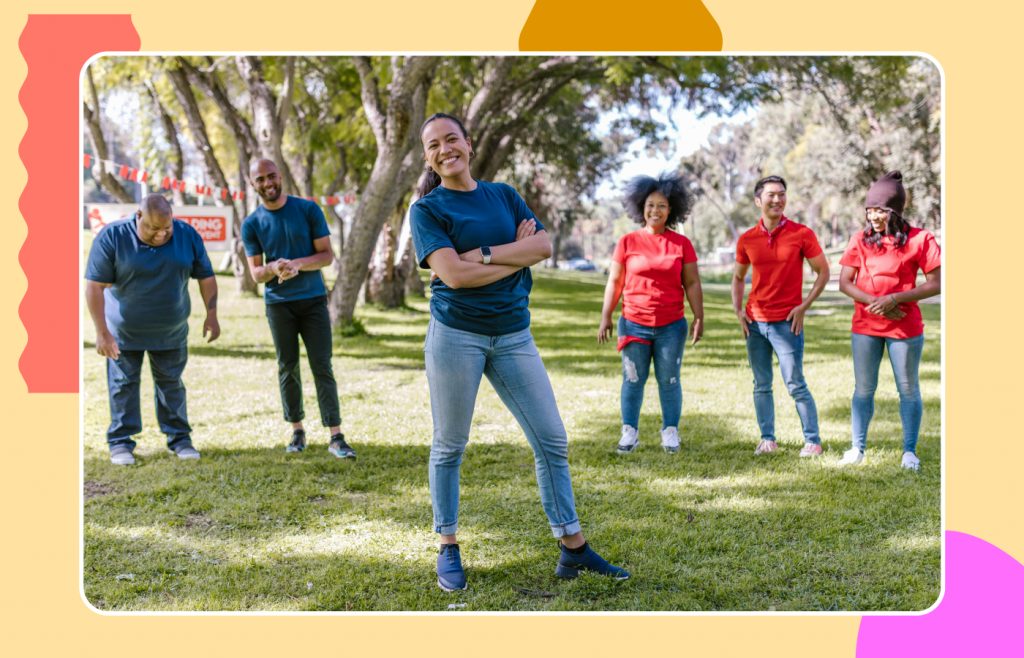
In today’s fast-paced corporate environment, the traditional idea of team building is evolving. Once associated with icebreakers or office games meant to improve productivity, it now reflects deeper needs. As work and personal lives increasingly overlap, team resilience depends on supporting individuals, not just tasks.
Modern leadership is shifting from task-based cohesion to a more holistic approach. High-performing teams aren’t built solely on shared deadlines. They thrive on psychological safety, genuine empathy, and support systems that recognize the whole human who shows up to work each day.
In this article, we will explore how forward-thinking organizations are reimagining team building.
Building Psychological Safety Through Empathy and Open Dialogue
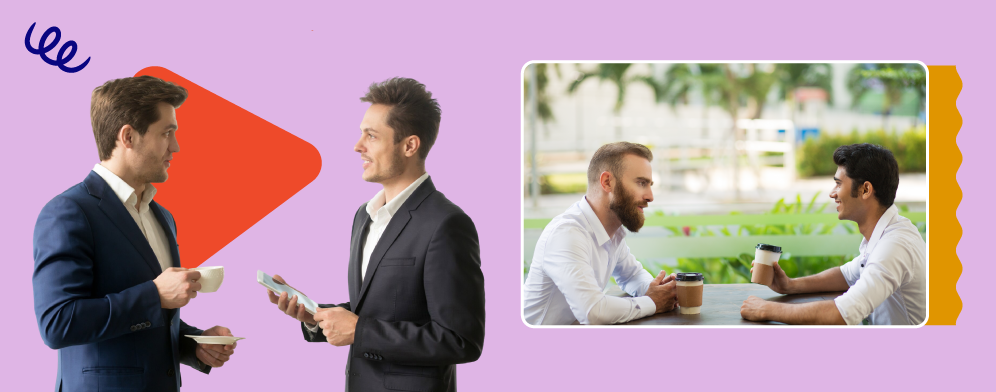
The Australian Physiotherapy Association highlights the risks of low psychological safety in workplaces. In such environments, employees often feel they must “walk on eggshells” or change themselves to fit in. This internal tension stifles the empathy required for authentic team connection. By prioritizing open dialogue, leaders can dismantle these barriers.
Psychological safety enables employees to share ideas, concerns, and mistakes without fear. Teams that value empathy and open dialogue make individuals feel heard and respected. Leaders set the tone through active listening and thoughtful responses. Regular check-ins and inclusive discussions normalize trust and vulnerability.
Recognizing Health Challenges That Affect Employees Beyond the Workplace
Employees often manage physical and mental health challenges beyond the workplace that affect focus and morale. Effective team-building strategies promote awareness, flexibility, and compassion. Supportive teams reduce stigma through open conversations and adjusted workloads. Access to wellness resources and empathetic leadership makes a measurable, positive difference.
According to the World Health Organization, the financial toll associated with mental health disorders is immense, creating a profound global economic burden. Beyond direct medical expenditures, the hidden financial toll of diminished workplace productivity is even more substantial. The global economic impact of untreated anxiety and depression is staggering, resulting in a $1 trillion drain on productivity every year.
This highlights how unaddressed mental health challenges affect both employees and organizations.
Supporting Employees Navigating Complex Medical and Legal Stress
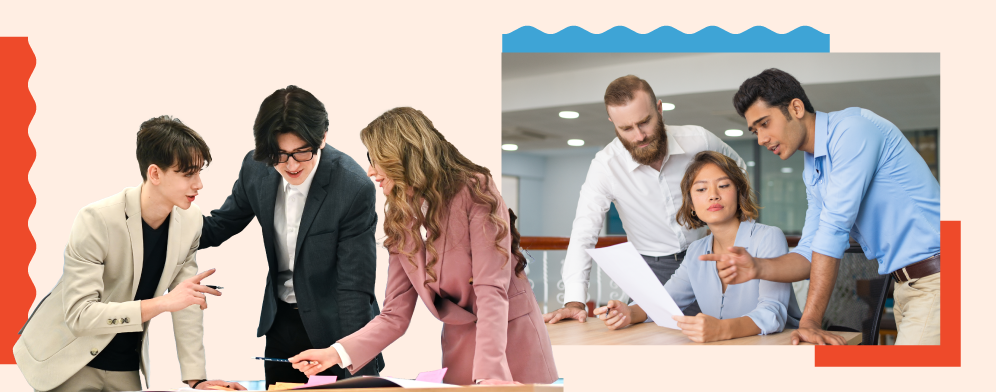
Some employees face health complications that create emotional, mental, and legal strain. Chronic conditions and unexpected treatments add ongoing stress. In some cases, medical devices also contribute to anxiety that continues well beyond the workday.
Real-world cases, including complications linked to the Paragard IUD in women, show how medical experiences can involve legal concerns. TorHoerman Law notes that numerous lawsuits have been filed against Teva Pharmaceuticals. They allege the Paragard IUD manufacturer failed to warn about the potential risks associated with it.
This added dimension increases emotional stress. Employers can help by encouraging open, judgment-free dialogue and acknowledging these realities.
When appropriate, employees may be guided to seek external support, including consulting a Paragard lawyer, to help manage medical, legal, and work-related challenges. Clear guidance to appropriate resources can reduce uncertainty during difficult situations. Empathetic team cultures further reduce isolation and help employees feel understood and supported.
Designing Team Activities That Support Emotional and Social Well-being
Gallup reports that fully engaging the global workforce could add $9.6 trillion in productivity to the economy. This represents a potential 9% increase in global GDP. Emotionally supportive and socially connected team activities play a key role in driving engagement. Strong connections translate directly into performance and economic impact.
Team activities should nurture emotional and social well-being, not just collaboration. Initiatives like peer support circles, wellness workshops, and inclusive events help build genuine connections. These efforts foster trust and belonging, especially during personal challenges. When participation feels supportive rather than mandatory, engagement becomes more authentic.
Training Managers to Lead With Compassion and Awareness
The success of any holistic team-building strategy rests on the shoulders of frontline managers. Training leaders to lead with compassion involves moving beyond "performance management" to "people advocacy." This requires developing skills in active listening, recognizing signs of burnout, and understanding the nuances of life-work integration.
When managers are equipped to handle sensitive disclosures, including personal grief or complex medical-legal stress, they shape a safer workplace culture. Compassionate leadership builds trust and psychological safety. It transforms the manager-employee relationship from a transactional exchange into a partnership rooted in respect and genuine care.
Creating Long-Term Team Building Strategies That Adapt to Life Events
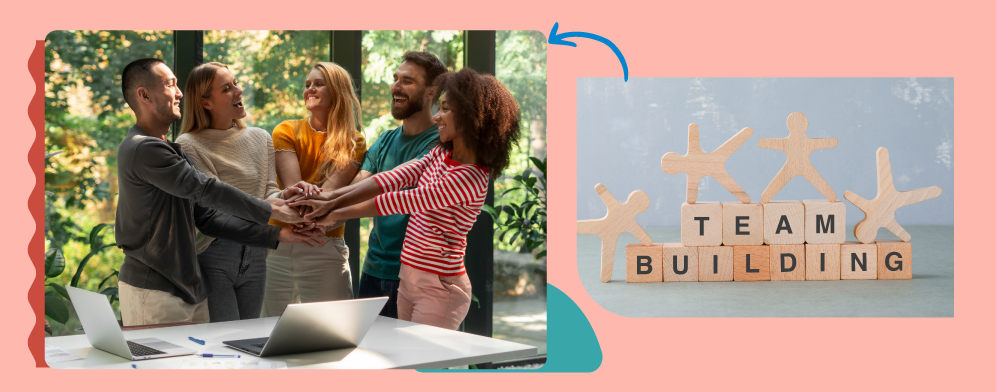
Effective team building evolves with employees’ changing life circumstances. Long-term strategies emphasize flexibility, ongoing support, and regular reassessment. Adaptive policies, flexible schedules, and peer support help teams stay connected during transitions. Leaders who normalize these conversations foster trust, loyalty, and long-term engagement.
Deloitte’s 2025 research highlights a growing disconnect, with 75% of workers seeking stability while leaders feel pressured to evolve. Since only 19% of executives believe traditional models still create value, adapting team strategies is essential. By aligning stability with flexible support, organizations can finally bridge this gap between worker needs and business agility.
Frequently Asked Questions
What boundaries should HR maintain when health issues affect work?
HR must balance empathy with professionalism by respecting privacy and avoiding medical judgments. Sensitive details are disclosed strictly based on functional necessity. The focus should remain on accommodations, legal compliance, and directing employees to external resources without personal involvement.
Are informal team check-ins more effective than structured programs?
Informal team check-ins often feel more authentic and encourage open conversation, building trust organically. Structured programs, however, provide consistency and clear support frameworks. The most effective approach blends structured initiatives for accountability with informal check-ins that encourage genuine connection and timely emotional support.
How can organizations support employees during legal or medical stress?
Organizations can support employees through open communication and flexible work arrangements. Access to counseling or employee assistance programs helps address stress. Clear policies, empathetic leadership, and referrals to external legal or medical resources ensure support without compromising privacy or professionalism.
Building Teams That Support the Whole Person
Team building is most impactful when it recognizes employees as individuals with lives beyond their job descriptions. By fostering psychological safety, compassion, flexibility, and open dialogue, organizations create cultures where people feel genuinely supported. These strategies strengthen trust, resilience, and long-term engagement.
When teams are built around empathy and adaptability rather than just tasks, employees thrive both personally and professionally. Organizations benefit through stronger collaboration, deeper loyalty, and more sustainable performance.