
 6 mins



Why Remote Work Is Making Burnout Harder to Detect and Easier to Miss
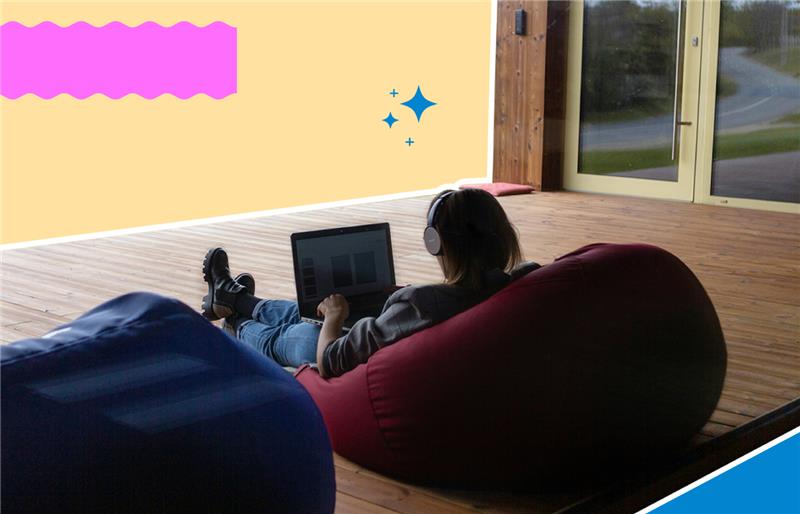
Remote work reduces visibility, but it doesn’t reduce pressure. You no longer see stress build during commutes or long meetings. You only see outputs and task completion. This creates a false sense of stability. Gallup highlights a clear paradox in remote work. Fully remote employees often appear highly engaged, yet their overall well-being continues to decline. Productivity may look strong, but their health suffers quietly. Remote workers report higher stress, loneliness, and emotional strain than their on-site peers. Gallup also notes weaker emotional connections, which limit informal support and recovery. This disconnect fuels digital presenteeism. People stay online longer and skip recovery. Over time, this results in emotional fatigue. As companies expand mental health benefits, a structural limit appears. There aren’t enough clinicians trained to address remote-specific stress. The U.S. Health Resources and Services Administration data show that over 135 million people live in designated mental health shortage areas. The nation needs over 6,800 additional practitioners to meet demand. This shortage forces leaders to think beyond policy fixes. This gap exposes a supply problem, not a motivation problem. To expand real care capacity, many experienced nurses are transitioning into advanced mental health roles. Some professionals pursue post-master's psychiatric nurse practitioner online certificate programs. Spring Arbor University notes that such advanced psychiatric training equips nurses with clinical expertise to assess and treat mental health conditions across the lifespan. This pipeline helps strengthen care access for digital-first burnout.Why AI and Automation Alone Can’t Solve Emotional Exhaustion
 Automation can help, but it isn’t without its limits. You can use tools to reduce friction, accelerate workflows, and eliminate repetitive tasks. This support is key when teams feel stretched. It can ease day-to-day strain and free up time for deeper work.Newsweek highlights a UKG survey of over 8,000 frontline workers. Employees who used AI reported burnout at 41%, compared with 54% among those who did not. Since frontline roles comprise nearly 80% of the global workforce, these findings demonstrate that automation can reduce workload pressure at scale.Still, the relief has boundaries. Newsweek also notes that many workers worry about job security post-AI adoption. Others report higher pace expectations once efficiency improves. These pressures often surface months later and weaken early burnout gains. This explains why emotional exhaustion persists. Burnout doesn’t come from tasks alone. It grows from constant availability, weak boundaries, and reduced human connection. AI can reduce effort, but it cannot provide validation or clinical insight. This creates a risk of solving efficiency problems while ignoring emotional sustainability.When work feels lighter but purpose remains unclear, stress persists. Leadership means knowing when efficiency gains stop helping, and human support must take over. When emotional strain persists, the effects extend beyond the mindset into physical systems.
How Remote Work Is Changing Stress Biology
Burnout affects mood, sleep, focus, and physical health. Prolonged digital work places constant strain on attention and recovery systems. Notifications interrupt rest cycles. Screens extend cognitive effort late into the day.A 2024 paper published in the Journal of Innovation & Knowledge reveals that remote workers face heavier digital exposure and blurred work boundaries. These conditions increase technostress and sustained mental load. Over time, the nervous system remains active even after work ends.The analysis highlights that remote workers frequently report sleep disruption, eye strain, head and neck pain, and mental fatigue. These effects are linked to extended screen use and difficulty separating work from personal time. The research also links constant connectivity to higher emotional exhaustion and reduced recovery quality.This matters for performance. Poor sleep reduces memory and emotional control. Elevated stress hormones persist longer. Over time, this raises risks for anxiety and cardiovascular strain.Remote work often eliminates physical transitions such as commuting or walking breaks. Without these cues, stress accumulates faster. Policies alone cannot correct biological strain. You need systems that connect people to trained care when stress becomes chronic.Why Younger and Older Workers Are Burning Out for Different Reasons
 Burnout follows certain age patterns, and the gap is growing. Younger workers are reporting higher levels of stress than their older peers. Different career stages now come with unique stress profiles.A 2025 study cited by Forbes shows that over 65% of U.S. employees reported burnout in 2025. The impact is highest among younger workers, with 81% of those aged 18–24 and 83% of those aged 25–34 experiencing burnout. In contrast, only 49% of workers aged 55 and older report the same level of strain. Forbes also outlines the most common burnout drivers across all age groups. Nearly 25% say they have more work than time allows. Another 24% report lacking the right tools or resources. Twenty percent cite economic stress, while 19% say labor shortages force them to take on extra work. These figures show that pressures affect everyone, but they fall more heavily on younger workers. Many are still building routines and expectations. Remote work removes informal guidance that helps absorb early stress. Stress grows faster without structure or feedback. Leadership works only when support reflects how different age groups experience work today.