
 19 mins



Employee wellness is no longer just a nice-to-have perk. When teams are dealing with stress, burnout, or low energy, it can affect everything from collaboration and creativity to productivity and retention. That's why companies these days are looking beyond traditional benefits to support employee well-being. The good news is that workplace wellness doesn't have to mean expensive programs or complicated policies. Sharing useful wellness tips can make a meaningful difference in how employees feel throughout the workday.
In this article, we've rounded up 50 office wellness tips and activities that can help your team feel healthier, happier, and more connected at work.
Why Does Employee Wellness Matter at Work?
We all know that one should drink more water, take breaks, move throughout the day, and manage stress better. The challenge is remembering to do those things consistently while juggling meetings, deadlines, and everyday responsibilities. That's why sharing health and wellness tips regularly can be very effective.
The need for these reminders is growing. According to the American Psychological Association's 2023 Work in America survey, 77% of employees reported experiencing work-related stress. Wellness tips help employees manage stress and feel healthier, more focused, and better equipped to navigate the demands of work.
Physical Wellness Tips for Employees
Small movement habits can have a big impact on focus, posture, and energy levels. These wellness tips help employees stay active and avoid the physical fatigue that comes with long workdays.
1. Micro Movement Breaks
Long hours at a desk can leave employees feeling stiff and sluggish. Encourage team members to incorporate simple desk exercises like shoulder rolls, seated stretches, and leg lifts throughout the day. These quick movements take just a few minutes and can help boost energy levels, improve posture, and keep everyone feeling energized between meetings.
2. Walking Meetings
Not every conversation needs to happen around a conference table. Walking meetings give employees a chance to stretch, get some fresh air, and step away from their screens while discussing ideas. They're especially effective for one-on-ones, brainstorming sessions, and casual check-ins where a change of scenery can initiate more natural conversations.
3. Chair Yoga
Prolonged sitting can leave employees feeling stiff, tired, and less focused as the day goes on. Chair yoga offers a simple way to stretch, reset, and recharge without leaving the workspace. Teams looking for a guided experience can join a Chair Yoga session by Hooray Teams, where a professional instructor leads accessible stretches designed to improve posture and relieve tension during the workday.
4. Daily Fitness challenges
A little friendly competition can go a long way toward staying active. Fitness challenges like step-count competitions, push-up challenges, Pilates streaks, walking challenges, stretching goals, or plank contests encourage employees to move more throughout the day while having fun with coworkers. Teams can use apps like Apple Health, Google Fit, or Fitbit to track progress and celebrate milestones.
Mental Wellness Tips for Work
Mental wellness goes beyond preventing burnout. These strategies help employees reset, improve focus, manage stress, and build healthier habits throughout the workday.
5. Promote Regular Screen Breaks
Regular breaks help the brain reset, so employees can return with better focus. Even short pauses during the day can reduce mental fatigue and improve decision-making. You can use calendar blocks for break reminders and avoid scheduling back-to-back calls without buffer time.
6. Mental Health and Stress Management Workshops
Workplace stress can affect everything from productivity to employee morale. Expert-led mental health and stress management workshops by Hooray Teams give teams an opportunity to step back, learn healthy coping strategies, and build resilience in a supportive environment.
7. Mindful Journaling
Take a few minutes to journal at the beginning or end of the workday and encourage employees to reflect on their thoughts, challenges, and accomplishments. This simple practice can help reduce mental clutter, improve self-awareness, and create a sense of calm during busy periods. You can use even short prompts like “What went well today?”, “What felt overwhelming?”, or “What do I want to approach differently tomorrow?”.
8. Nervous System Reset Sessions
Sometimes, employees need recovery rather than productivity hacks. Nervous system reset activities, such as sound baths, guided somatic movements, body scans, and progressive muscle relaxation, help teams decompress during stressful periods and transition more effectively between work and personal time.
Social Wellness Tips for Teams
Employees who feel connected are often more engaged, collaborative, and motivated. These activities create opportunities for teams to bond beyond everyday tasks.
9. Interest-Based Employee Clubs
Interest-based employee clubs bring together coworkers around shared hobbies, passions, or activities outside their daily work. Teams can create clubs around books, fitness, gaming, cooking, photography, running, wellness, or even niche interests like anime or gardening. These groups help employees build stronger connections across departments, create a greater sense of belonging, and encourage more organic social interactions beyond work conversations.
10. Fun Team Bonding Games
Wellness goes beyond exercise and mindfulness. Team bonding games such as trivia, scavenger hunts, and friendly competitions give employees a chance to laugh, connect, and take a break from their daily routines. For distributed teams, live-hosted games like Guess the Tune and Bingo by Hooray Teams make it easy to bring everyone together.
11. Sip & Socialize Hour
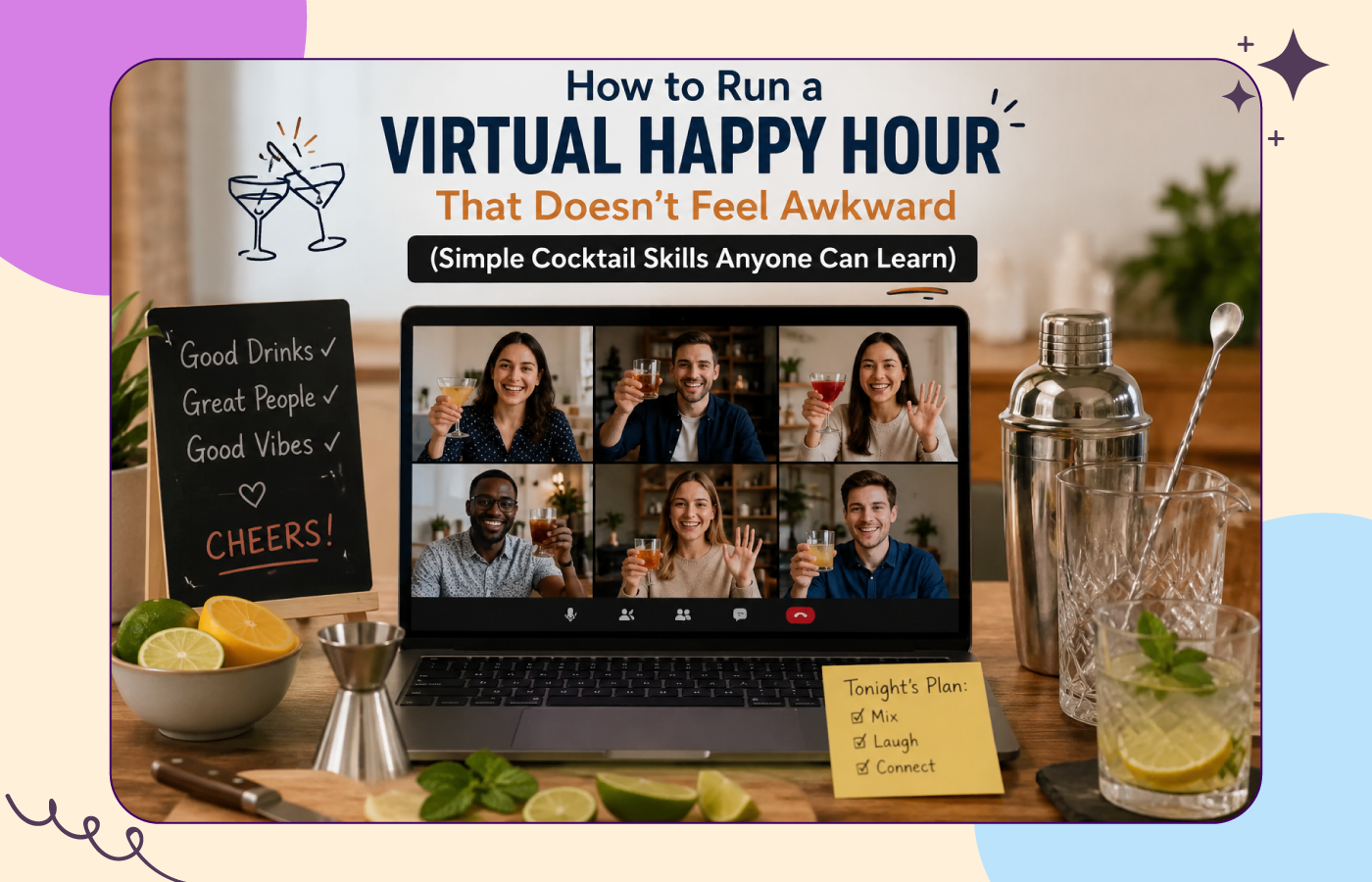
Host a Sip & Socialize Hour where team members come together over mocktails, herbal teas, fresh juices, or other beverages of their choice. These casual gatherings encourage employees to connect and unwind outside of work. Remote teams can elevate the experience with a sommelier-led mixology class, where participants learn to craft cocktails or zero-proof drinks together.
12. Dance Breaks
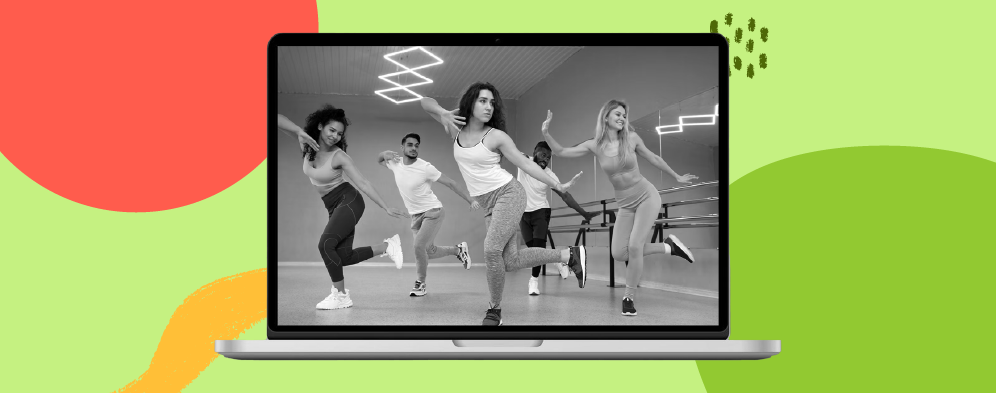
Get employees moving with wellness-focused dance and fitness activities that combine exercise with fun. These sessions can help teams boost their energy, relieve stress, and break up long hours of sitting. For a more engaging experience, remote teams can join live-hosted Bollywood or Zumba dance classes by Hooray Teams.
Nutrition and Healthy Eating Tips for Work
Nutrition plays an important role in focus, energy, and overall well-being. These ideas help employees build healthier habits without adding complexity to busy schedules.
13. Hydration Reminders
Encourage employees to stay hydrated throughout the day with regular reminders and easy access to water. To make the habit more engaging, consider hosting a hydration challenge or setting up infused water stations with fruits and herbs that make drinking water a little more enjoyable.
14. Healthy Cooking Classes
Organize short, hands-on cooking sessions where employees learn quick, realistic meals they can actually make on a busy schedule. These can be virtual demos or in-person workshops focusing on 2-3 recipes that don’t need fancy ingredients. Teams often prefer themes like “15-minute lunches” or “no-reheat meals for office days” because they fit real routines.
15. Healthy Snack Stations
Set up a shared pantry area stocked with healthy snack options like nuts, fruit, flavored yogurt, roasted chickpeas, or protein bars. Change items every few weeks so it doesn’t get repetitive. You can also add a “swap shelf” where employees can contribute healthier homemade or store-bought items, keeping it more collaborative than curated.
16. Mastering Meal Prep Workshops
Busy workweeks often lead to rushed meals or skipping planning altogether. These workshops focus on quick, realistic meal prep for 2-3 workdays in under an hour using simple combinations like grains, proteins, and easy sides that don’t require complicated cooking. For teams looking for a guided format, Hooray Teams’ Meal Planning 101 Workshop is a helpful option to explore.
Work-Life Balance Tips for Employees
Wellness isn’t only about exercise or mindfulness. Creating healthier boundaries between work and personal life can improve morale, productivity, and long-term engagement.
17. Encourage PTO and Vacation Planning
Many employees don't use all of their PTO simply because they never get around to planning it. Consider running a quarterly "PTO planning week" where employees review their balances and schedule future time off. Some corporate wellness companies also encourage managers to share their vacation plans to help normalize taking breaks and using their PTO.
18. Offer Flexible Working Hours
Not everyone does their best work between 9 and 5. Ask employees to adjust their schedules around school drop-offs, appointments, workouts, or other personal commitments while still maintaining core collaboration hours.
19. Implement "No-Meeting" Days
Set aside one day each week or month where internal meetings are paused. Employees can use the time for deep work, planning, training, or catching up on projects that often get pushed aside during busy weeks.
20. Time Management and Productivity Workshops
Skip generic productivity advice and focus on practical skills employees can use immediately. These time management workshops can cover inbox management, task prioritization, reducing notification overload, and organizing daily workflows. You can also invite employees to share their own systems and tools, turning it into a collaborative learning session.
Mindfulness Tips for Workplace Wellness
Mindfulness activities give employees simple ways to slow down, reset, and stay present during busy workdays. Even small practices can help reduce stress and improve focus.
21. Guided Meditation Sessions

Bring in a meditation instructor or use a guided meditation app for short 10-15 minute sessions during the workweek. You can schedule them before a busy day, after a major project launch, or as part of a recurring wellness program. Offer both live and recorded options to make participation easier for remote and hybrid teams.
22. Breathing Exercises
Stress can build up quickly during a busy workday, especially when employees are jumping from one task or meeting to the next. Simple breathing exercises offer a quick way to slow down, reset, and regain focus. Teams can start meetings with a one-minute breathing exercise or share techniques like box breathing and the 4-7-8 method to recharge.
23. Aromatherapy
Sometimes, small sensory changes can make it easier to unwind and refocus during a busy day. Aromatherapy introduces employees to calming scents like lavender, peppermint, and eucalyptus that are often used to support relaxation and concentration. You can set up wellness stations in the office, host guided workshops, or send wellness kits to remote employees so everyone can explore what works best for them.
24. Gratitude Journaling
Instead of asking employees to keep lengthy journals, try simple prompts that take just a few minutes to complete. Questions like "What's one thing that went well today?" or "Who helped you this week?" encourage reflection without feeling like extra work. Some teams include gratitude prompts in wellness newsletters or dedicate a few minutes to them during team meetings.
25. Mandala Art Workshops
Constant notifications and packed schedules can make it difficult to slow down and focus on the present moment. Creating mandala designs gives employees a chance to unplug, be creative, and engage in a calming activity without worrying about the final result. Whether hosted virtually or in person, these workshops are easy for anyone to enjoy, regardless of artistic experience.
Ergonomic Wellness Tips for Workspaces
Poor workstation setup can contribute to discomfort, fatigue, and lower productivity. These ergonomic wellness tips help employees create healthier workspaces at home and in the office.
26. Proper Desk and Chair Setups
Many employees don't realize their workspace is causing discomfort until neck pain, back pain, or eye strain becomes a regular issue. Consider sharing workstation setup guides or offering desk assessments that help employees adjust monitor height, chair positioning, and keyboard placement. Even simple changes can make long workdays much more comfortable.
27. Standing Desk Options
Sitting for long periods can lead to fatigue, discomfort, and reduced energy throughout the day. Giving employees the option to stand while they work encourages more movement and helps break up hours of continuous sitting. Shared standing workstations, desk converters, or home office stipends are all practical ways to support healthier work habits without disrupting productivity.
28. Host Ergonomics Training Sessions
Bring in an ergonomics expert to show employees how to set up their workspaces to meet their individual needs. These sessions can cover everything from monitor placement and posture to reducing wrist strain and preventing screen fatigue. For remote teams, virtual workspace reviews can be especially helpful since home office setups vary widely.
29. Create Movement-Based Work Zones
Instead of staying in the same position all day, encourage employees to rotate between different work zones whenever possible, such as using a standing area for calls, a lounge space for brainstorming, or a different seating spot for focused work. Changing environments throughout the day helps reduce static posture, minimizes muscle fatigue, and encourages more natural movement without requiring dedicated exercise time.
Recognition and Appreciation Tips for Team Wellness
Recognition plays a major role in employee well-being. Simple appreciation rituals and meaningful celebrations can help employees feel valued and connected.
30. Micro Recognition Rituals
Create a system where employees can recognize each other's contributions, whether through a dedicated Slack channel, monthly nominations, or digital appreciation boards. Peer recognition often highlights everyday efforts that managers may not always see, such as helping teammates meet deadlines and supporting new hires during onboarding.
31. Employee Appreciation Events
Skip the generic pizza party and make appreciation feel more personal. Host surprise coffee carts, Employee Appreciation Day trivia, catered breakfasts, wellness afternoons, food truck days, or employee-choice reward days where team members vote on an experience they'd enjoy. Smaller events spread throughout the year often feel more meaningful than a single annual celebration.
32. Celebrate Personal and Professional Milestones
Recognition works best when it goes beyond just project updates and KPIs. Create space for people to share meaningful milestones like earning a certification, finishing a marathon, buying a home, or reaching a personal goal. This can be as simple as a quick shoutout in team meetings or a monthly roundup in a newsletter.
Creative Wellness Tips for Employees
Creative activities give employees a break from screens, meetings, and structured thinking. These experiences create space for relaxation, self-expression, and mental recovery.
33. Paint and Unwind Sessions

Paint and unwind sessions give teams an opportunity to relax while exploring creative skills such as watercolor painting, fluid art, marbling, pottery painting, textured art, or beginner-friendly canvas projects. Employees can follow guided tutorials, experiment with colors and materials, and create something unique at their own pace. To make the experience even more relaxing, pair the session with calming music, themed kits, herbal teas, or casual conversations that help teams recharge together.
34. Creative Skill-Building Workshops
Creative wellness can also mean learning something completely new. Hands-on skill-based workshops give employees a chance to unplug from work while building creativity and confidence through guided experiences. Teams can explore activities such as pottery, marbling, resin art, punch-needle embroidery, candle-making, or beginner-friendly terrarium building workshops while socializing in a low-pressure environment.
35. Photo Walk Challenges
Creative wellness doesn’t always have to happen at a desk. Encourage employees to take short walks and capture photos around themes like colors, textures, nature, architecture, or “something that made you smile today.” Teams can share their photos afterward, combining movement, mindfulness, creativity, and social connection in a low-pressure activity.
36. Vision Boarding
Work can easily become focused on short-term deadlines, so it helps to occasionally zoom out and think about what’s ahead. Vision boarding sessions give employees a creative way to reflect on their goals, whether that’s career growth, travel plans, wellness habits, new skills, or personal milestones. Many teams use these sessions at the start of a new quarter or year as a more relaxed, visual way to set intentions and stay motivated.
Digital Wellness Tips for Teams
Constant notifications, endless meetings, and screen-heavy work can quickly lead to burnout. These digital wellness ideas help employees create healthier relationships with technology.
37. Digital Detox Challenges
Encourage employees to intentionally reduce screen time through small challenges like notification-free hours, no-phone lunches, or screen-free meetings. These challenges help teams disconnect briefly and reduce digital fatigue.
38. Focus Time Blocks & Notification Management
Constant notifications and endless pings make it harder for employees to focus and can quickly increase digital fatigue. Encourage teams to schedule dedicated focus blocks where chats, emails, and notifications are minimized so they can work without constant interruptions. You can also run short workshops on notification settings, email batching, and communication boundaries to help employees build healthier, more sustainable digital habits.
39. Reduce Screen Fatigue
Back-to-back meetings, constant notifications, and long hours in front of screens can quickly drain energy and focus. Encourage habits such as screen-free lunch breaks, camera-off meetings when possible, notification-free focus sessions, and regular digital breaks to help employees recharge and build healthier relationships with technology.
40. Digital Decluttering Sessions
Help employees organize inboxes, folders, desktops, and communication tools. Cleaner digital workspaces often reduce mental clutter, improve focus, and save time throughout the day. Teams can also dedicate monthly cleanup sessions for clearing unused files, organizing cloud storage, or reducing notification overload to make everyday workflows smoother.
41. AI Productivity Workshops
Many employees want to use AI but don't know where to start. Sessions focused on AI tools, prompt writing, automation, and practical workflows can help teams work smarter while reducing repetitive tasks. Employees can explore real-world use cases like summarizing meeting notes, automating repetitive tasks, brainstorming ideas, or using tools such as chatbots, transcription software, and workflow automation platforms to save time.
Financial Wellness Tips for Employees
Financial stress often impacts focus, productivity, and overall well-being. These financial wellness ideas help employees build healthier money habits and feel more confident about their future.
42. Budgeting Workshops
Financial stress often affects employee well-being, making money management an important part of workplace wellness. Budgeting workshops can teach practical skills like expense tracking, emergency funds, saving strategies, and smarter spending habits. Teams can also participate in small savings challenges or use simple tools like budgeting templates and expense trackers to turn learning into everyday habits.
43. Investing Basics Sessions
Offer beginner-friendly sessions covering concepts like investing, retirement planning, compound growth, and long-term wealth building. Keep sessions practical by covering topics like index funds, risk tolerance, or common financial mistakes so employees feel more confident making informed decisions.
44. Salary Negotiation Workshops
Career growth is closely connected to financial well-being. Workshops can help employees build confidence around compensation conversations, understand market benchmarks, and practice negotiation techniques they can apply during performance reviews or career transitions.
45. Personal Finance AMA Sessions
Invite financial experts for Q&A sessions covering common questions around taxes, savings, budgeting, debt management, and financial planning. Anonymous question submissions can help employees discuss money topics more openly without feeling uncomfortable.
46. Benefits Education Sessions
Many employees underuse workplace benefits simply because they do not understand them. Dedicated sessions can improve awareness around healthcare plans, wellness allowances, insurance, retirement programs, learning stipends, and other often-overlooked employee benefits.
47. Financial Wellness Resource Hubs
Create simple libraries containing budgeting templates, calculators, podcasts, articles, and learning resources employees can explore independently. Organizing resources into categories like saving, investing, debt management, or retirement planning makes them easier to use and revisit later.
Community and Belonging Wellness Tips
Employees often feel healthier and more engaged when they feel connected to something bigger than their daily tasks. Community wellness activities help teams build stronger relationships, create a sense of belonging, and encourage meaningful interactions at work.
48. Volunteer Together
Organize volunteering opportunities, donation drives, mentorship programs, or local community initiatives where employees can contribute toward a shared cause while building stronger team relationships. Teams can participate in activities like community clean-ups, virtual volunteering, food drives, or skills-based mentoring, helping employees build purpose and connection beyond their day-to-day work.
49. Peer Learning Sessions
Create informal spaces where employees teach skills, hobbies, or passions outside their job roles, such as photography, baking, investing, or language learning. These sessions help teams uncover hidden talents, encourage cross-team interactions, and create opportunities for employees to learn from one another in a low-pressure environment.
50. Celebration Rituals
Build recurring traditions like milestone celebrations, cultural events, welcome rituals, or team appreciation moments that strengthen belonging. Small rituals such as monthly recognition moments, work anniversaries, onboarding welcomes, or team wins can create stronger connections and give employees something to consistently look forward to.
Frequently Asked Questions
How can employers encourage workplace wellness?
Start by making wellness part of everyday work rather than a one-time initiative. Simple changes like encouraging regular breaks, offering flexible work arrangements, normalizing PTO usage, and hosting wellness activities throughout the year can have a bigger impact than occasional wellness campaigns.
What are low-cost wellness ideas for teams?
Not every wellness activity requires a budget. Walking meetings, hydration challenges, gratitude journaling, team coffee chats, desk stretching sessions, peer recognition programs, and no-meeting afternoons are all affordable ways to support employee well-being. The key is consistency rather than cost.
Can wellness tips for employees help reduce workplace stress?
Yes, remote work wellness tips can help reduce workplace stress. especially when they address the common causes of workplace stress. Activities like guided meditation, breathing exercises, time management workshops, and no-meeting days can help employees manage workloads more effectively and create opportunities to recharge during busy periods.
Are remote work well-being tips only about physical health?
No, wellness tips for working from home aren't just about physical health. While physical wellness is important, a well-rounded wellness program should also support mental, emotional, and social well-being. Activities such as mindfulness sessions, team bonding events, recognition programs, and work-life balance initiatives all play an important role in helping employees feel supported.
How can companies create a culture that supports wellness?
Wellness becomes part of the culture when leaders actively participate and encourage healthy habits themselves. Employees are more likely to take breaks, use PTO, or join wellness activities when they see managers doing the same. Clear policies, consistent communication, and ongoing wellness opportunities also help reinforce those behaviors.
What are some fun ways to share wellness and health tips with employees?
Try sharing wellness tips for office workers through weekly newsletters, Slack channels, team meetings, digital wellness calendars, or themed wellness days. Some companies also turn wellness into a team activity by running monthly challenges, wellness bingo boards, or friendly competitions that encourage participation without feeling mandatory.
Do wellness tips for work improve workplace productivity?
Yes, tips for mental wellness can improve productivity. Employees who have opportunities to recharge, manage stress, and maintain healthy habits are often better able to focus on their work throughout the day. Wellness initiatives can also help reduce burnout, improve engagement, and create a work environment where people have the energy to perform at their best.